
Why the Middle East Keeps Exploding: The 100-Year Chain Reaction Behind Today’s War With Iran
From colonial borders and oil politics to Israel, Iraq and Iran, the modern Middle East was shaped by outside powers, broken promises and wars that never truly ended.

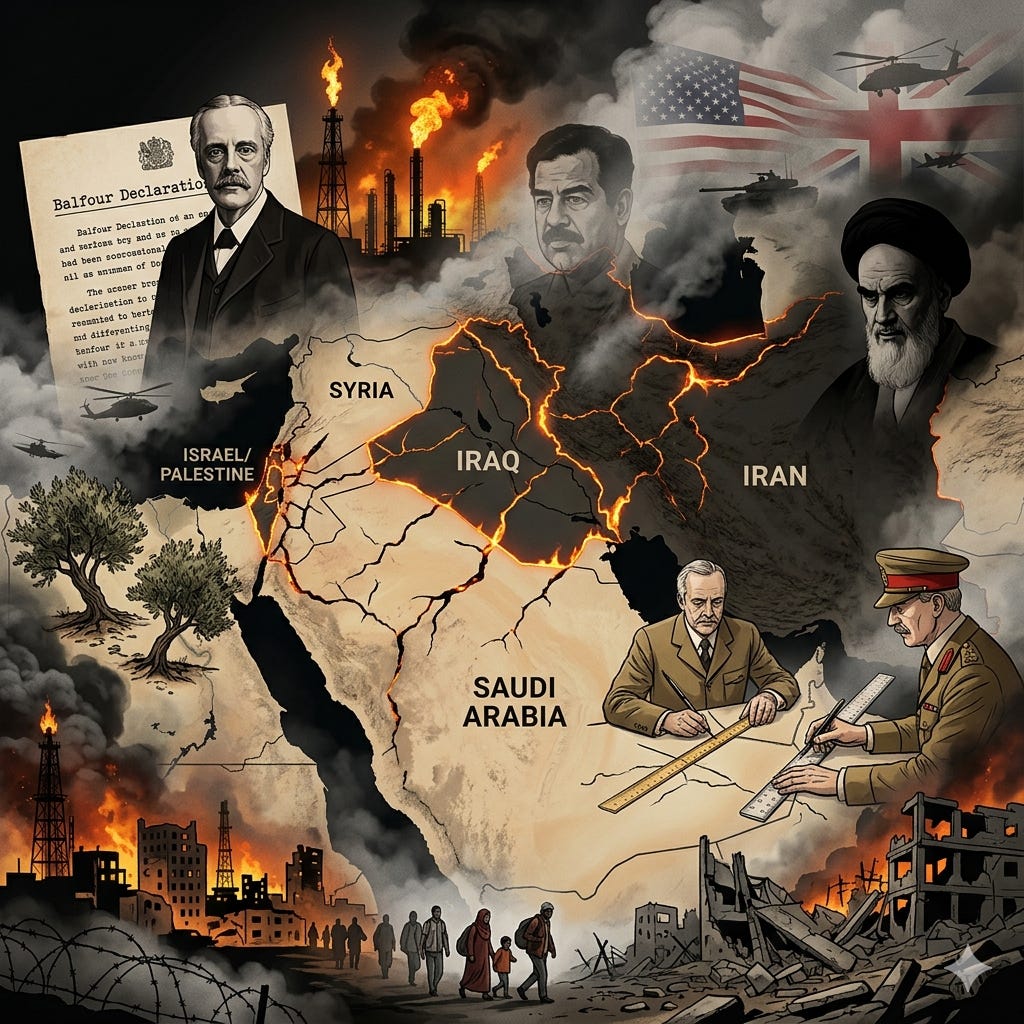
Every time you fill your gas tank, book a flight, or watch grocery prices creep upward, you are feeling the shockwaves of another conflict in the Middle East.
But most North Americans experience the region only through headlines about bombings, extremism and war — a steady stream of images that make the Middle East seem permanently violent and somehow destined for chaos. A place supposedly broken by its own people.
History tells a different story.
Much of the instability now consuming the Middle East was engineered from outside forces, first the colonial powers like Britain and France, which carved up the collapsing Ottoman Empire after the First World War, and later by the United States and its allies, who treated the region less as a collection of nations than as a strategic fuel depot sitting atop the world’s largest oil reserves.
Borders were drawn with rulers on maps in European offices. Governments were overthrown. Dictators were armed. Oil was prioritized over democracy. Entire populations were displaced. And every unresolved conflict created the conditions for the next one. Which brings us to now.
The current war involving Iran is part of a century-long chain reaction driven by collapsing empires, colonial borders, oil politics, revolutions, invasions, proxy wars and unresolved injustice.
That history matters because the Middle East was not always unstable. So here’s some context.
For centuries, the region was one of the intellectual centres of the world. During the Islamic Golden Age, cities like Baghdad, Cairo and Damascus became hubs of mathematics, astronomy, medicine and philosophy. Muslim scholars preserved and expanded knowledge from Greece, Persia and India while Europe struggled through the Dark Ages.
The Ottoman Empire, which controlled parts of Europe, the Middle East and North Africa ruled for roughly 400 years. While it was imperfect and often brutal, it provided political order across a vast territory. Communities and trade routes evolved over generations.
When the Ottoman Empire collapsed during the First World War, outside powers stepped in to redraw the map.
That is where much of the modern story begins.
1. 1916–1920s: Europe carved up the Middle East
While Arab leaders were being promised independence during the First World War, Britain and France secretly negotiated the Sykes-Picot Agreement to divide the region between themselves.
Modern Iraq, Syria, Lebanon and Jordan emerged from borders drawn largely in European offices, ignoring tribal, ethnic and religious realities on the ground. Sunni, Shia and Kurdish populations were pushed into artificial states with weak foundations. Many of today’s conflicts trace directly back to those borders.
2. 1917–1948: Palestine, Israel and the unresolved wound
When the British took control of Palestine in 1917, foreign secretary Arthur Balfour promised a Jewish homeland. That document became known as the Balfour Declaration.
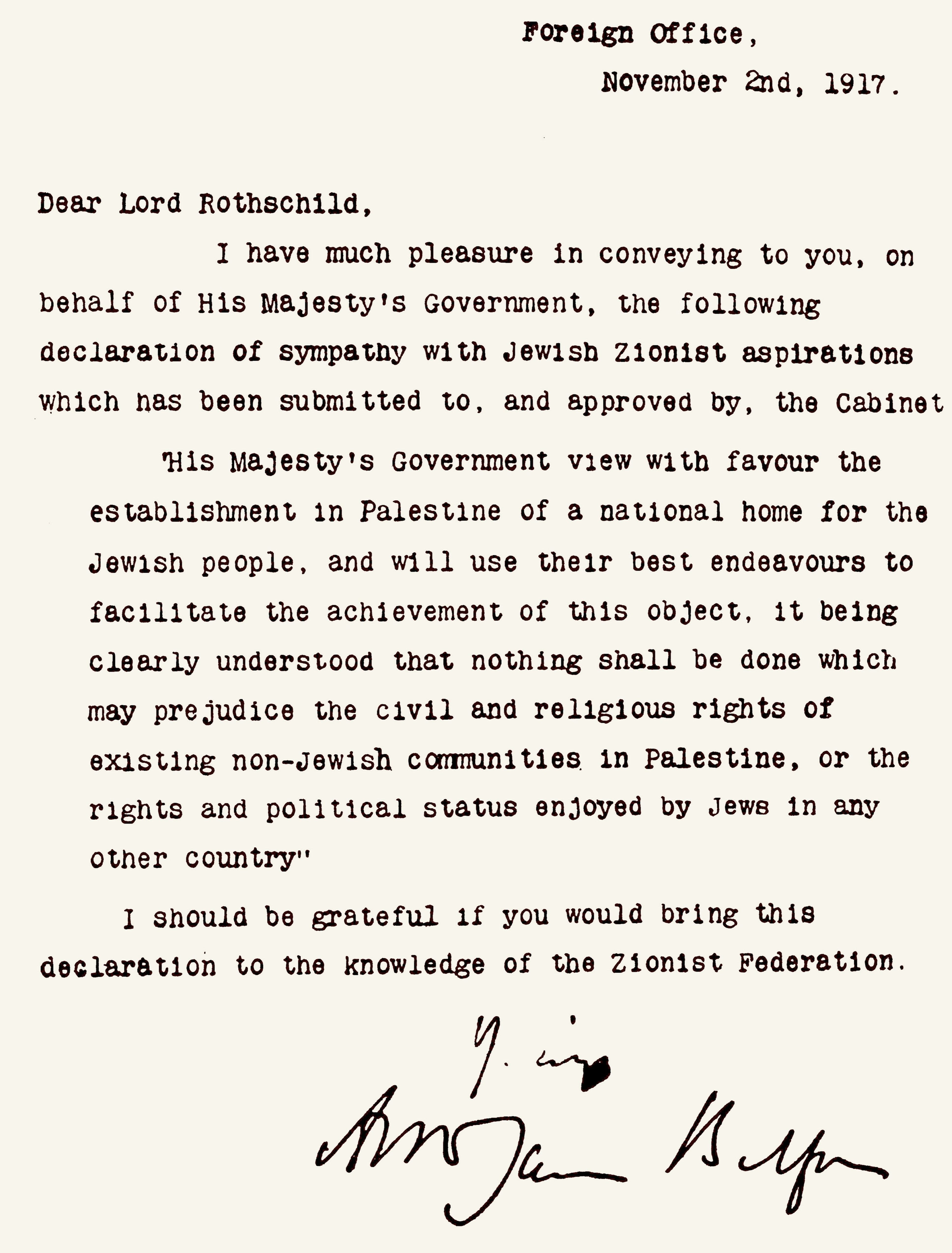
At the same time Britain also pledged to protect Arab communities. It effectively promised the same land to two peoples.
After the Holocaust, pressure for a Jewish state intensified. In 1947, the United Nations proposed splitting the land into separate Jewish and Arab states.
Jewish leaders accepted the UN plan, while Arab leaders argued the United Nations had no right to divide a land where Arab Palestinians still formed the majority population. After Israel declared independence in May 1948, war broke out as neighbouring Arab states, Egypt, Transjordan, Iraq, Syria and Lebanon, entered the conflict alongside Palestinian Arab forces.
When the fighting ended in 1949, Israel not only survived but controlled substantially more territory than it had been assigned under the original UN proposal.
Roughly 750,000 Palestinians fled or were expelled in what was known as the Nakba, meaning catastrophe in Arabic. More than 500 Palestinian villages were destroyed or depopulated by Israel.
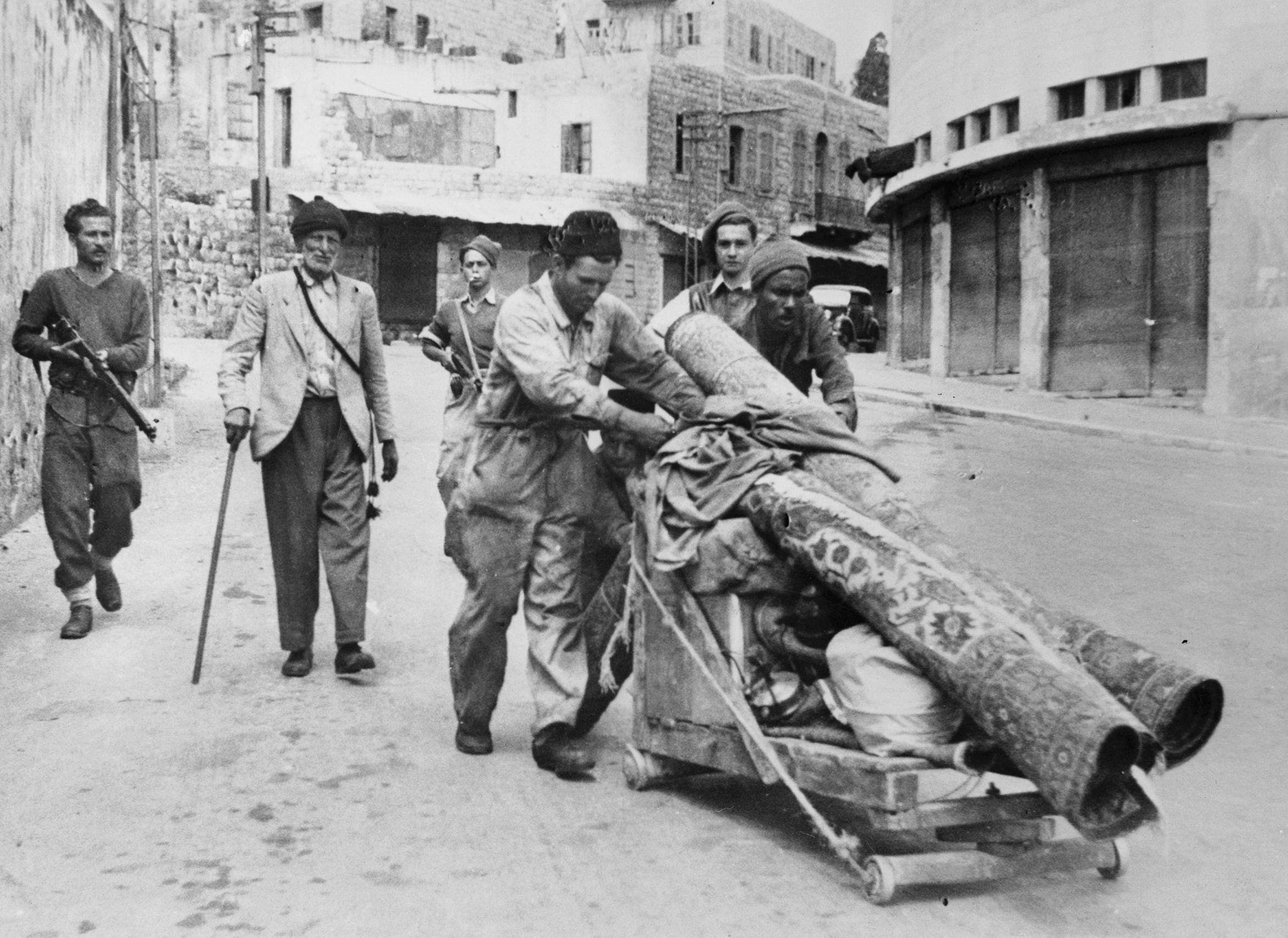
The conflict has never ended. Israeli occupation of the West Bank, settlements, home demolitions, uprooted olive groves and the blockade of Gaza continue to fuel anger across the region, while Israel continues to argue its actions are driven by security concerns after decades of attacks and wars.
3. 1908 onward: Oil changed everything
Oil transformed the Middle East into the world’s strategic centrepiece.
Once major reserves were discovered in Persia, Iraq and Saudi Arabia, foreign powers became deeply invested in controlling the region. Western governments routinely backed authoritarian rulers who guaranteed oil access and stability.
Political reform became secondary to energy security.
4. 1953–1979: Iran’s revolution reshaped the region
In 1953, the CIA and British intelligence helped overthrow Iran’s democratically elected prime minister, Mohammad Mosaddegh, after he nationalized oil assets.
The Shah returned to power backed by the West, ruling through repression and secret police. Public anger eventually exploded into the 1979 Islamic Revolution led by Ayatollah Khomeini.
That revolution transformed Iran into a fiercely anti-Western Islamic Republic and launched the modern rivalry between Iran and Saudi Arabia which is a proxy conflict that still fuels wars in Lebanon, Syria, Iraq and Yemen.
5. 1979–2003: Iraq became a multiplying disaster
Saddam Hussein ruled Iraq through terror, war and sectarian repression. He fought Iran through the 1980s, invaded Kuwait in 1990, and survived the Gulf War.
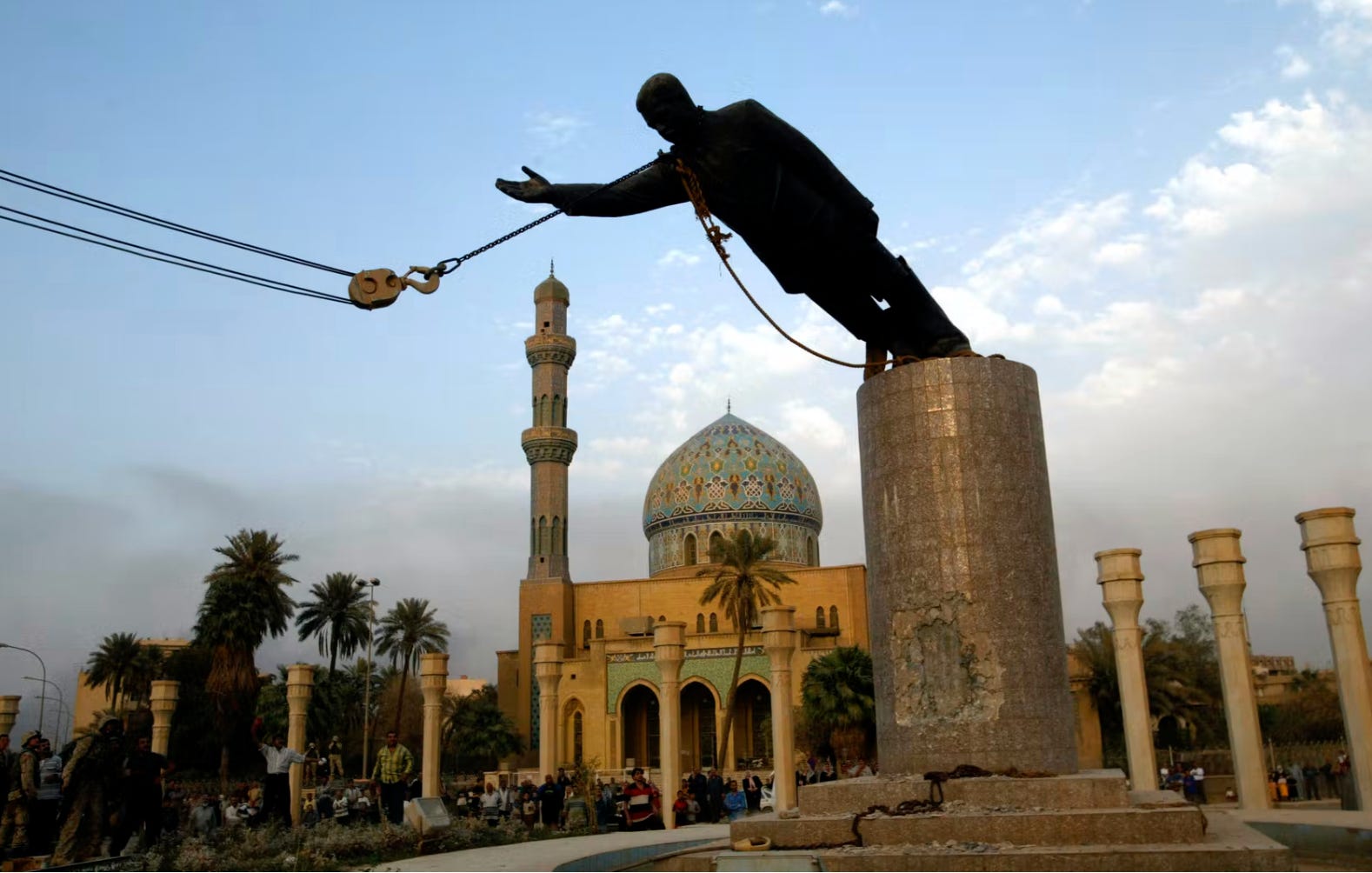
Then came the 2003 U.S.-led invasion.
The Iraqi government and military were dismantled almost overnight. The power vacuum unleashed sectarian violence and eventually gave rise to ISIS, one of the most violent extremist movements in modern history.
6. 1932 onward: Saudi Arabia and the authoritarian bargain
Saudi Arabia was built on an alliance between the House of Saud, tribal power and a strict religious ideology known as Wahhabism.
Oil wealth turned the kingdom into a regional superpower and key U.S. ally. In exchange for stability and energy access, Western governments largely tolerated political repression inside the kingdom.
Saudi Arabia also spent decades exporting its conservative religious ideology abroad, reshaping politics and religion across much of the Muslim world.
7. 1950s–today: Dictatorships crushed political development
Across the Middle East, military coups and authoritarian governments became the norm.
Egypt, Syria, Iraq, Libya and others developed systems where power was concentrated in ruling families, military elites or dictators backed by security forces. Corruption became systemic. Independent courts, free media and democratic institutions remained weak or nonexistent.
When pressure finally exploded during the Arab Spring in 2011, many states cracked apart instead of reforming.
8. 2011: Syria became the world’s proxy battlefield
What began as protests against Bashar al-Assad became one of the century’s worst wars.
Iran, Russia, Turkey, the United States, Gulf states, ISIS and Hezbollah all became involved. More than half the Syrian population was displaced. Entire cities were destroyed.
The Syrian war became a brutal example of how local grievances and foreign intervention now feed each other across the region.
9. 2011 onward: Libya and Yemen collapsed into chaos
The overthrow of Muammar Gaddafi in Libya left behind a fractured state dominated by militias and arms trafficking.
In Yemen, a Saudi-led coalition and Iranian-backed Houthi rebels turned one of the Arab world’s poorest countries into a humanitarian catastrophe marked by famine, disease and civilian bombings.
Both conflicts became examples of modern proxy warfare.
10. The conflict machine keeps feeding itself
The Middle East has become trapped in a cycle.
Foreign powers continue selling weapons. Regional rivals continue funding militias. Millions remain displaced. Palestinians remain stateless. Kurds remain divided across several countries. Generations have grown up knowing only war, occupation, repression or instability.
The region is not unstable because of religion or culture. It is unstable because a century of imperialism, oil politics, dictatorship, foreign intervention and unresolved grievances created conditions where conflict keeps reproducing itself.
The tragedy is that much of it was avoidable.